Compliance
Seasonal Market Permits in Italy: A Summer Vendor Checklist
Summer is when small gaps in market paperwork become expensive. A pitch that worked in April can attract a different set of questions in July: more inspectors, more tourists, higher temperatures, and a local office that may be dealing with dozens of seasonal requests. The permit rules themselves are rarely national in Italy. They are built from municipal regulations, the terms of your concession, health and safety duties, and the practical layout of the square or street where you trade. Before the van is loaded, it pays to check what the comune, your market office and your insurer expect from a summer stall.
This is general guidance, not legal advice. Market rules change from one comune to another, and sometimes from one season to the next.
Confirm which local permit applies to you
In Italy, permission to trade in a public market or occupy public space is primarily a local matter. The document may be called a concessione di suolo pubblico, an authorisation for temporary occupation, or it may be a place assigned within a weekly market. The label matters less than the conditions attached to it. Check the approved footprint, the days and hours, the products you may sell, and whether the permission covers the whole summer or only a fixed period.
Weekly pitch, seasonal pitch or one-off event?
A regular stall in a weekly market is not the same as an extra stall for a summer fair, a tourist route or a village festival. If you add a second pitch, move to a larger stall, or start selling a new category of goods, ask whether your existing authorisation covers it. Do not assume that a permit for one square travels to the next comune. It usually does not.
Food businesses have an extra layer. Check whether your existing registration and HACCP arrangements cover the new location, the new product range and the temporary setup. If you prepare food on site, the local health authority may have specific expectations about water, waste, refrigeration and handwashing.
Questions to put to the comune
- Which office handles my permit: SUAP, commercio, polizia locale or the market office?
- Is my pitch seasonal, temporary or part of the ordinary weekly market?
- What exactly is included in the approved footprint, including awning, tables and storage?
- Are there separate rules for loading, unloading, vehicles and parking?
- Does the permission require insurance, a deposit, waste arrangements or fire precautions?
- What must I display on the stall, and in what form?
Make the temporary stall match the approved plan
Summer stalls often grow: an extra table for sunglasses, a second fridge, a parasol for the queue. Each addition can push you outside the approved footprint or into a walkway. Keep the layout simple and repeatable. Mark the footprint on the ground if that helps your team set up the same way each morning, and keep aisles clear for customers, deliveries and emergency access.
Wind and storms deserve attention in summer as much as sun. Canopies must be anchored as the local rules require, not tied to neighbouring stalls with improvised ropes. If you use gas for cooking, store cylinders safely and check what the market office expects in terms of fire extinguishers and clearance. Electrical leads should be suitable for outdoor use, protected from water, and not daisy-chained across walkways. Ask before hanging signs, speakers or lights on street furniture.
Your insurance should match the reality of a temporary outdoor stall. Check that public liability cover extends to the pitch, the canopy, the equipment and any staff working with you. If you sell at several summer locations, confirm that the policy is not limited to one address.
Add the food-safety layer for summer trading
Heat turns ordinary food-safety habits into critical ones. Chilled food must stay chilled, frozen food must stay frozen, and display space should not become a sun trap. Use probes or reliable thermometers, keep cold-chain records where your HACCP plan requires them, and separate raw and ready-to-eat food. Clean ice and drinking water matter if you serve drinks or keep produce cool.
For packaged products, check labels and allergen information before the season starts. For loose or prepared food, make sure allergen information is available in the way your business has documented. If you handle food in a temporary stall, think through handwashing, waste bins, surface cleaning and protection from insects. A small handwash setup is not a decoration; it needs water, soap and a way to dry hands.
If you are adding a new product, a new cooking method or a new pitch, take local professional advice. The cost of a short consultation is usually easier to manage than a closure during the busiest weeks.
Heat is an operating risk, not just a comfort issue
Italian workplace safety rules require employers to assess risks to workers, and summer heat belongs in that assessment. The same applies if you work alone: plan the day so that heat does not become an emergency. Shade, water, scheduled breaks and rotation between sunny and shaded tasks are basic controls. Heavy lifting and unloading are better done early, if the permit allows it.
Do not change your opening hours without checking the permit. An early start may solve the heat, but it can breach the authorised timetable or local noise rules. If the comune allows flexible summer hours, get that in writing. If not, work within the hours you have and adjust the setup instead.
Watch for heat illness in yourself and in staff. Headache, dizziness, nausea and confusion are warnings. Move the person to shade, cool them and seek medical help if symptoms are serious. Keep drinking water where staff can reach it without leaving the stall unattended. Customers also need a clear route through the stall, especially when queues form in full sun.
Keep the paperwork where you can reach it
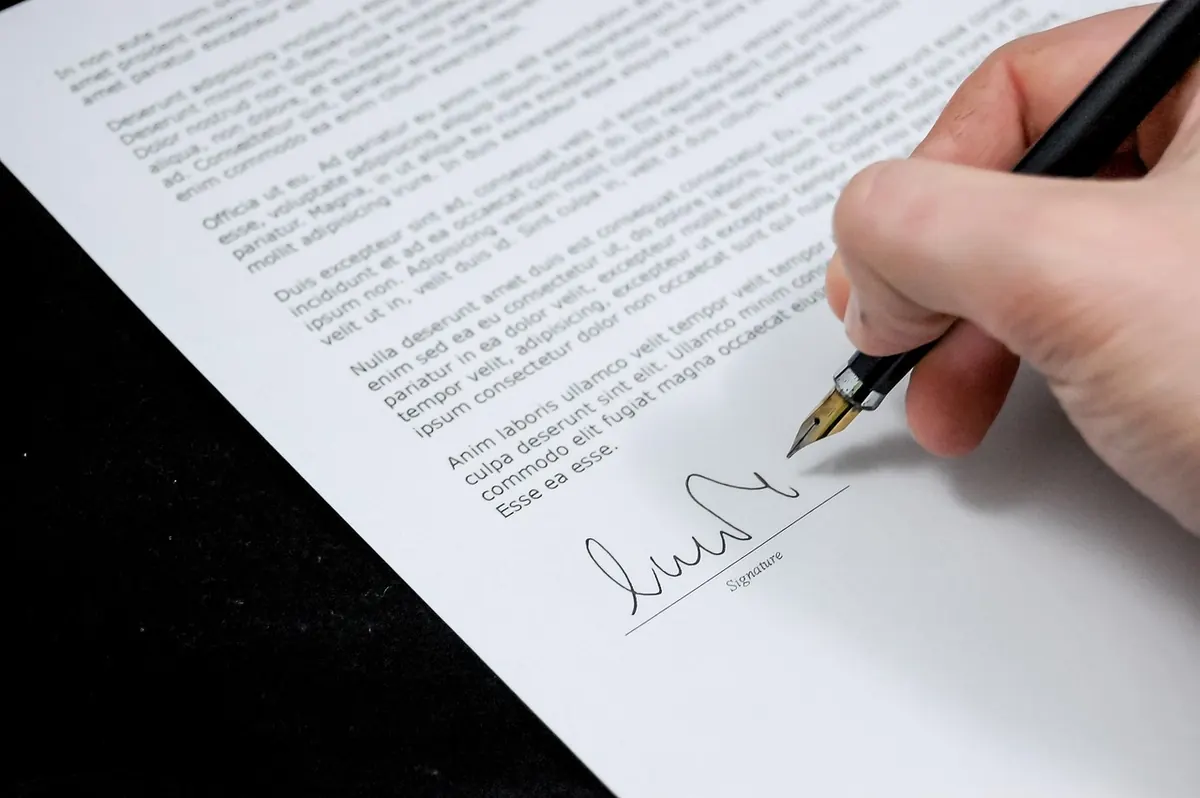
Inspections rarely happen at a convenient moment. Keep a single folder, paper or digital as local practice allows, with the documents your market office expects. That usually includes the permit or concession, identity and business documents, insurance confirmation, HACCP records where relevant, and any product-specific paperwork. A photograph of the approved layout can help if a substitute trader sets up the stall.
Do not rely on a copy in the office or on a colleague’s phone. Check whether the comune accepts digital copies or wants originals on site. If you employ staff, keep their paperwork and training records accessible too.
Waste, noise and neighbours
The less visible compliance items often cause the most friction. Know what you must do with cardboard, packaging, food waste and cooking oil. Do not use public bins as a free disposal service unless the market rules allow it. Keep the pitch clean during the day, not only at closing. Music and amplified speech carry further in summer, when windows are open; keep volume within local rules and be ready to turn it down.
Your pre-market summer checklist
- Confirm the permit, dates, hours and approved footprint with the comune or market office.
- Check that insurance, food registration and HACCP documents match the summer pitch.
- Test canopies, weights, electrical leads and cooking equipment before the first market day.
- Pack thermometers, cleaning materials, handwash supplies, waste bags and drinking water.
- Brief staff on heat precautions, food safety, emergency contacts and the location of paperwork.
- Keep a folder with permits, insurance and records in the van, and check it before leaving.
A calm summer market day is usually the result of boring preparation in June. Confirm the local rules in writing, set up the stall to match the plan, and keep the paperwork close. For anything that touches a new permit, a new food activity or staff safety, ask the comune or a qualified local adviser before you trade.
Photo: FreeToUseSounds / Pixabay